
Ohio Valley B2B Steel Staircase Guide » Industrial Steel Stairs » Heavy Duty Metal Stairs: High-Capacity Solutions for Industrial Facilities
Heavy Duty Metal Stairs: High-Capacity Solutions for Industrial Facilities
In demanding industrial environments, standard access solutions simply are not enough. Heavy-duty metal stairs are engineered specifically for high-capacity applications, providing safe and reliable access in factories, warehouses, and outdoor sites.
Why Standard Stairs Fail in High-Traffic Industrial Environments
Using standard commercial stairs or lightweight steel steps in heavy industry often leads to rapid deterioration and safety hazards. Standard designs are not built to withstand the rigorous demands of industrial operations.
When subjected to constant use by personnel carrying equipment, standard stairs frequently experience cracked welds, sagging treads, and bolts that loosen due to machine vibration. Opting for cheaper, standard alternatives often results in frequent replacements and, more importantly, severe safety risks for workers. Investing in heavy-duty specifications from the beginning is a necessary step to maintain a safe and productive facility.
What Makes a Steel Stair "Heavy Duty"? Key Specifications
Understanding the specific features that define a heavy-duty stair is essential for engineers and facility managers. These structures rely on robust materials and specialized engineering to handle extreme conditions.
Reinforced Stringers and Heavy-Gauge Steel
The stringers act as the backbone of any stair system. In a heavy-duty design, these stringers are constructed from heavy-gauge steel, often utilizing a robust C-channel structure.
This substantial framework ensures that even when multiple workers carrying heavy tools ascend or descend simultaneously, the staircase remains rigid without sagging or swaying.
High Load Capacity (PSF and Point Load)
A true heavy-duty stair goes far beyond standard commercial requirements. While typical commercial stairs might be rated for a 100 psf live load, industrial models are engineered to handle significantly higher capacities.
Furthermore, they are designed to withstand extreme point loads—the concentrated weight that occurs if a heavy toolbox or piece of machinery is dropped. This high load capacity is crucial for long-term structural integrity.
The Best Heavy-Duty Treads for Maximum Durability
The treads are the primary point of contact and must withstand relentless abuse. For stairs subjected to steel-toe boots and harsh conditions, choosing the right tread material is vital for safety and longevity.
- Diamond Plate: Thick diamond plate treads offer excellent slip resistance and durability for general industrial use.
- Welded Steel Bar Grating: For environments where oil, mud, or debris are common, grating is highly recommended as it allows hazardous materials to fall through the surface, maintaining clear traction.
Common Applications for Heavy Duty Metal Stairs
Heavy-duty metal stairs are deployed across various sectors where structural resilience is non-negotiable.
Manufacturing Plants
In busy manufacturing facilities, stairs endure constant, high-traffic use from shift workers. Heavy-duty construction ensures the stairs can handle continuous foot traffic without premature wear.
Heavy Equipment & Machinery Access
Access platforms and stairs attached to large machinery must absorb significant and continuous vibrations. Robust engineering prevents structural fatigue and joint failure in these vibrating environments.
Mining and Oil Rigs
Outdoor sites like mines and oil rigs present harsh, corrosive environments. Heavy-duty steel stairs provide secure access despite exposure to extreme weather and harsh operational conditions.
Get a Custom Quote for Your Industrial Steel Stairs
Protect your workforce and your investment with heavy-duty metal stairs built to endure harsh industrial environments.
Our platform connects you with experienced manufacturers capable of designing and fabricating high-quality, high-capacity steel stairs tailored to your facility's specific requirements. Explore our directory to find the right partner for your project.
Find the Right Manufacturer by Stair Type
Compare manufacturers for egress, decorative, and industrial stair applications in the Ohio Valley.
For
Emergency
Egress Stairs
Emergency
Egress Stairs
SY Stairs
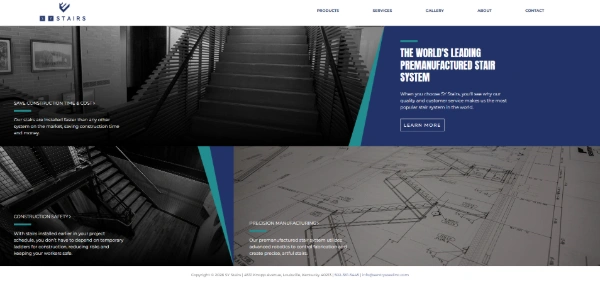
source : SY Stairs Official Website(https://systairs.com/)
- A fully modular design with integrated handrails eliminates the need for on-site welding or specialized labor. Compared to traditional field-assembled systems, installation is over 70%* faster, allowing follow-on trades to start work much sooner.
- Designed to meet building codes across the Ohio Valley, these stairs are ready for permanent use from day one. By eliminating the need for temporary ladders, they improve job site safety and accessibility.
| Key standards |
OSHA, AISC, AWS, etc. |
|---|---|
| Typical lead time |
6 to 8 weeks |
| CAD data | Available |
For
Decorative
Monumental Stairs
Decorative
Monumental Stairs
American Stair
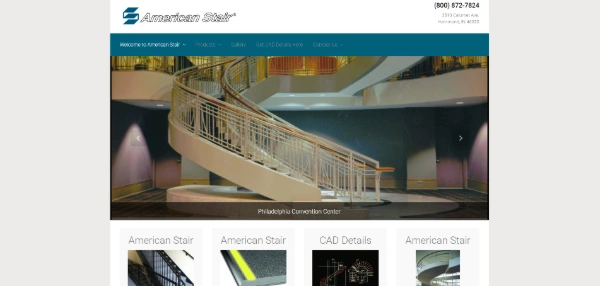
American Stair Official Website
(https://www.americanstair.com/)
- With proprietary custom design, the company delivers complex circular, spiral, and cantilevered stairs, creating iconic staircases that become a building’s architectural focal point.
- Advanced monumental stair solutions combine steel structures with materials such as glass, wood, and stone to deliver a refined, high-end finish with lasting strength.
| Key standards |
IBC, OSHA, etc. |
|---|---|
| Typical lead time |
8 to 12 weeks |
| CAD data | Available |
For
Industrial
Dock Stairs
Industrial
Dock Stairs
Upside Innovations
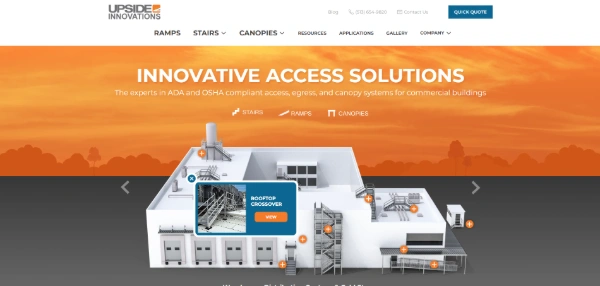
Upside Innovations Official
Website(https://upsideinnovations.com/)
- Crafted from industrial-grade aluminum, these stairs resist rust even in humid loading areas and outdoor installations. That helps maintain a clean appearance and dependable structural strength for long-lasting safety.
- Bolt-on assembly means your stair can be installed in just a few hours with a forklift and a small crew, keeping your jobsite moving with minimal disruption.
| Standards | OSHA,ADA, etc. |
|---|---|
| Lead time | Contact for details |
| CAD data | Contact for details |
*Based on SY Stairs' internal comparison between its modular pre-fabricated system and traditional field-assembled (stick-built) steel stair systems.
Results may vary depending on project scale, site conditions, and crew size.
Results may vary depending on project scale, site conditions, and crew size.
*Information as of February 2, 2026